Teeth whitening can make a smile look brighter, but it does not permanently change the way teeth respond to coffee, tea, red wine, tobacco or everyday ageing. New surface stains can build up again, so the useful question is not whether whitening lasts forever. It is how to maintain a result without over-treating your teeth.
Whitening is a result, not a permanent finish
How long a whitening result remains visible varies from person to person. Diet, smoking, oral hygiene, the original shade of the teeth and the type of treatment all matter. Professional guidance commonly describes whitening as non-permanent, while research has reported colour stability ranging from months to a few years depending on the method and the person.
This is why a fixed rule such as “repeat whitening every year” is too simple. Some people may want an occasional top-up; others may be happy with the result for much longer. A dentist can advise you if you have sensitivity, gum problems, restorations or significant discoloration.
What makes teeth look darker again?
- Strongly coloured drinks and foods: coffee, tea, red wine and some sauces can contribute to new surface stains.
- Smoking: tobacco can quickly affect tooth colour.
- Everyday plaque and buildup: consistent brushing and cleaning between teeth help the smile look fresh.
- Natural ageing: enamel and the underlying tooth structure change over time.
A simple maintenance routine
Start with the basics: brush twice daily with fluoride toothpaste, clean between the teeth and attend regular dental check-ups. If you use an at-home whitening product, follow its instructions exactly and complete only the recommended course. More product or longer wear is not automatically better.
After a course, assess the result in normal daylight rather than immediately after treatment. If you later notice new surface staining, an occasional maintenance course may be enough. Stop using the product if irritation or notable sensitivity develops, and speak with a dental professional if you are unsure.
Keep expectations realistic
Whitening products work differently, and results vary. Fillings, crowns and veneers do not whiten in the same way as natural teeth. At-home products are best viewed as part of a consistent cosmetic routine—not as a one-time promise of a permanently white smile.
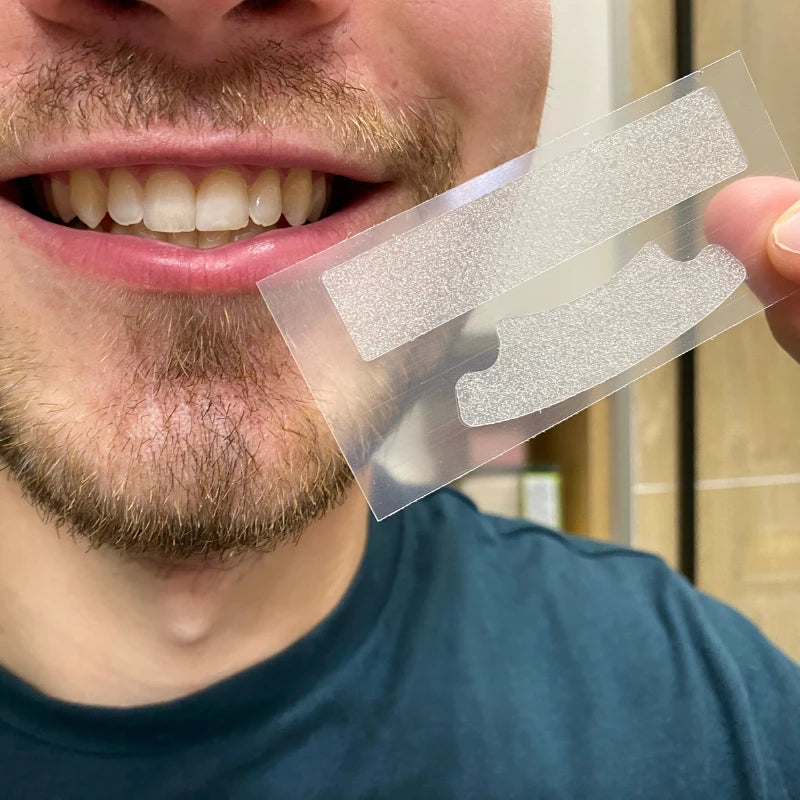
Klinii PAP+ whitening strips are peroxide-free and designed for convenient at-home use. They are a cosmetic product, and individual results will differ.
Klinii journal