Peroxide has a long history in professional and at-home teeth whitening. PAP, short for phthalimidoperoxycaproic acid, is a different whitening ingredient increasingly used in peroxide-free products. The two should not be treated as identical—and neither should be described with exaggerated promises.
How peroxide whitening works
Hydrogen peroxide and carbamide peroxide release reactive molecules that break down coloured compounds in the tooth. Peroxide systems can produce noticeable whitening, but some users experience temporary tooth sensitivity or gum irritation. Concentration, contact time and professional supervision all influence the result and the experience.
What is PAP+?
PAP is a peroxide-free oxidising ingredient. PAP+ usually refers to a product formula that combines PAP with supporting ingredients. The exact formulation matters, so findings about one PAP product cannot automatically be applied to every other product.
Early laboratory and small clinical studies suggest PAP-based formulas can reduce staining and improve tooth colour. Current evidence is still more limited than the evidence for peroxide whitening, and some studies have found peroxide more effective. That makes careful wording important: PAP is a promising alternative, not proof of identical results for every user.
Which option is right for you?
- Choose based on your needs: think about sensitivity, convenience, treatment time and the level of change you expect.
- Follow the instructions: longer contact time or repeated courses are not automatically safer or more effective.
- Check your oral health: whitening should not replace treatment for decay, gum disease or unexplained discoloration.
- Remember restorations: crowns, veneers and fillings will not whiten like natural enamel.
A realistic Klinii approach
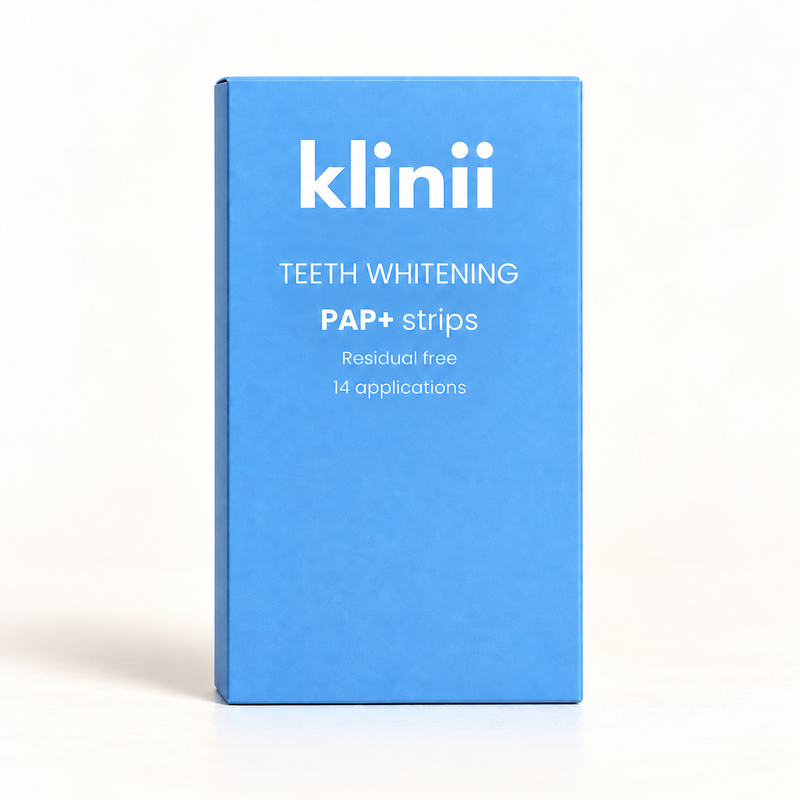
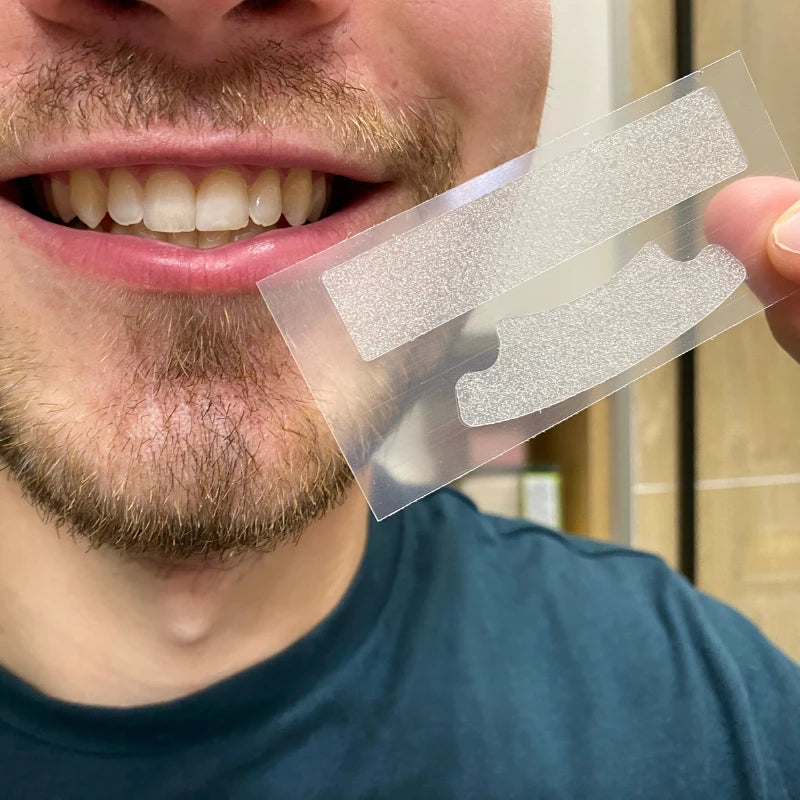
Klinii PAP+ whitening strips are made without peroxide and designed for a simple at-home routine. We describe them as a cosmetic option for a brighter-looking smile, not a substitute for professional dental care. Results vary with the starting shade, staining habits and consistent use.
If you have sensitive teeth, dental restorations, gum problems or uncertainty about the cause of discoloration, ask a dentist before whitening.
Klinii journal